
Imagine your furry friend gets hurt—would you know what to do? A Pet First-Aid Guide equips you with life-saving skills to act fast.
The Pet Emergency Toolkit provides clear steps to handle pet emergencies confidently. This article shares practical tips to prepare for unexpected injuries, ensuring your pet stays safe and healthy.

Pets face accidents—cuts, choking, or heatstroke can happen suddenly. Without quick action, minor issues can escalate. A Pet First-Aid Guide prepares you for these moments.
The Pet Emergency Toolkit offers step-by-step instructions for common pet emergencies. Knowing how to respond reduces panic, speeds up care, and can save your pet’s life, giving you peace of mind as a pet owner.
A solid Pet First-Aid Guide delivers key advantages. First, it builds confidence. You act calmly under pressure, helping your pet faster.
Second, it saves time. The Pet Emergency Toolkit provides quick-reference guides for urgent situations.
Third, it strengthens your bond with your pet. Caring for them in a crisis deepens trust.
Finally, it prevents costly vet visits by addressing minor issues early, keeping your pet healthy.
Preparing for pet emergencies starts with knowledge. Learn to recognize signs of distress, like limping or rapid breathing. The Pet Emergency Toolkit includes checklists for common injuries, like cuts or burns.
Assemble a pet first-aid kit with bandages, antiseptic, and a thermometer. Practice basic techniques, like cleaning a wound, to feel ready. Preparation turns fear into action when your pet needs you most.

Master these skills to protect your pet:
For calmness in emergencies, try stress relief techniques to stay focused while helping your pet.
A well-stocked kit is a lifesaver. Include gauze, adhesive tape, scissors, and a digital thermometer. The Pet Emergency Toolkit provides a complete list of essentials, plus tips for storage.
Keep your kit accessible, like in your car or home. Check supplies monthly to ensure nothing expires. A ready kit means you act swiftly when seconds count.
Pets get into trouble—eating toxic plants or scraping paws on walks. Learn to spot symptoms, like vomiting or lethargy. The Pet Emergency Toolkit details how to handle issues like poisoning or fractures.
Stay calm to assess the situation clearly. Call a vet if symptoms worsen, but first-aid buys time. Quick action prevents small problems from becoming serious.
Prevention reduces emergencies. Secure toxic items, like cleaning products, out of reach. Use leashes on walks to avoid accidents. The Pet Emergency Toolkit offers safety checklists for home and travel.
Regular vet checkups catch health issues early. Pair prevention with family bonding activities to involve kids in pet safety, fostering responsibility and care.
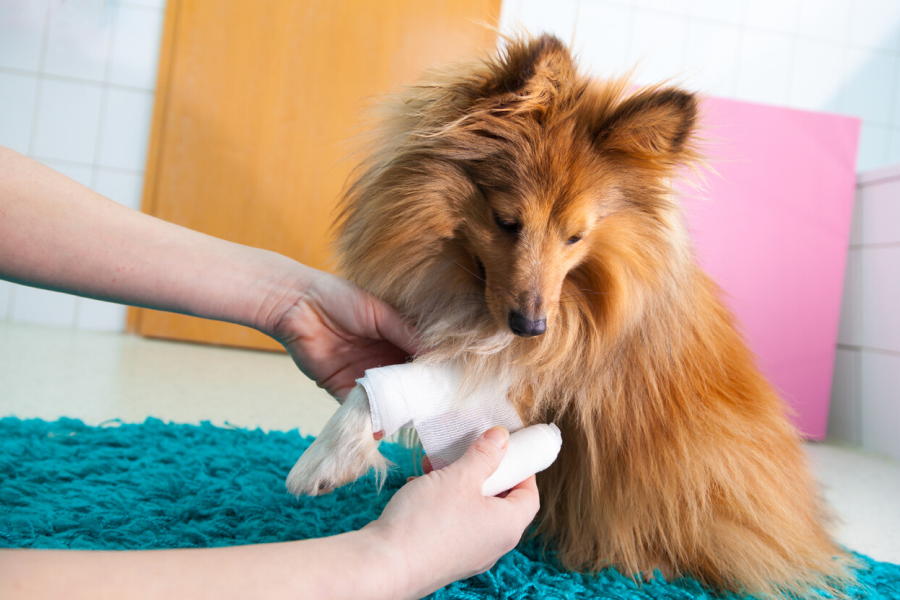
Panic can freeze you during a pet emergency. Practice first-aid steps to build confidence. The Pet Emergency Toolkit includes scenarios to rehearse, like bandaging a paw.
Stay calm by breathing deeply—panic clouds judgment. If stress overwhelms you, use stress relief techniques to stay composed. Preparation ensures you act effectively when your pet needs help.
First-aid stabilizes, but some cases need professional care. Severe bleeding, seizures, or breathing issues require immediate vet attention.
The Pet Emergency Toolkit lists red flags to watch for, like persistent vomiting. Keep your vet’s number handy and know the nearest 24/7 clinic. Acting fast while knowing your limits saves lives and reduces complications.
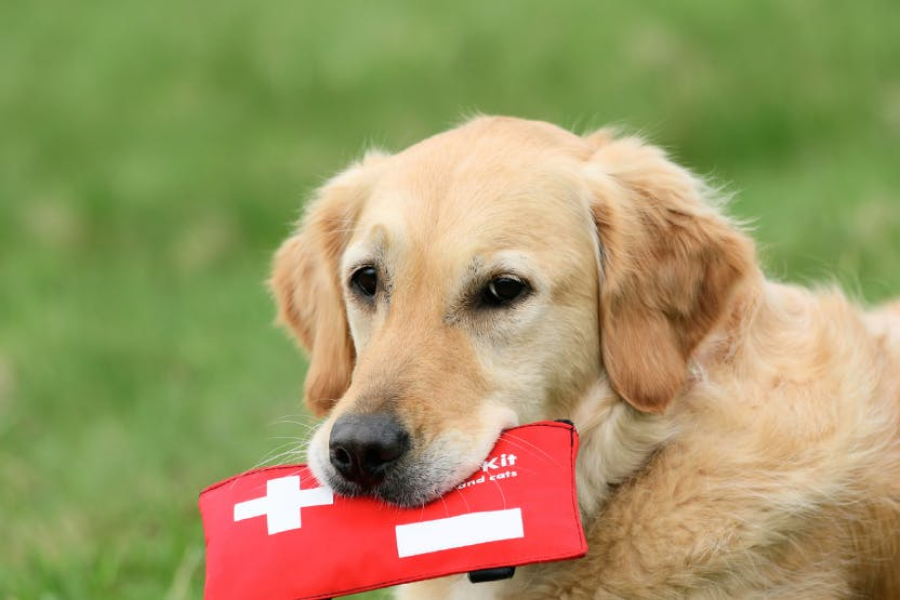
Pet owners using the Pet Emergency Toolkit share inspiring successes. Sarah stopped her dog’s bleeding paw with the toolkit’s wound-care guide. “I felt like a hero,” she says.
Tom cooled his overheated cat, avoiding a costly vet trip. These stories show how a Pet First-Aid Guide empowers owners to act decisively, protecting their pets.
Different pets have unique needs. Cats hide pain, while dogs may chew bandages. The Pet Emergency Toolkit covers first-aid for cats, dogs, and small animals like rabbits.
Tailor techniques to your pet’s size and behavior. For example, use a cone to prevent dogs from licking wounds. Understanding your pet’s quirks ensures effective care in any crisis.
Confidence comes from preparation. Practice first-aid techniques, like wrapping a bandage, to feel ready. The Pet Emergency Toolkit offers step-by-step guides to build skills.
Rehearse with your pet to familiarize them with handling. Confidence grows with each small success, making you a reliable caregiver. Involve family in learning through family bonding activities to share responsibility.
A calm mindset is critical. Panic can worsen your pet’s stress, delaying care. Practice mindfulness to stay focused.
The Pet Emergency Toolkit includes tips for staying composed, like focusing on one task at a time. Use stress relief techniques to manage anxiety, ensuring you act clearly and quickly.
First-aid is just one part of pet care. Regular grooming, exercise, and a safe environment prevent injuries. The Pet Emergency Toolkit provides routines to keep pets healthy, like checking paws after walks.
Schedule vet visits to catch issues early. Consistent habits reduce emergencies, keeping your pet happy and safe.

Pet care strengthens family bonds. Teach kids to recognize pet distress signals or help with first-aid prep. The Pet Emergency Toolkit includes family-friendly tips to involve everyone.
Pair this with family bonding activities to make pet care a team effort, fostering love and responsibility.
Ready to protect your pet? Download the Pet Emergency Toolkit and build your first-aid kit today. Practice one skill, like checking vitals, to start.
Use stress relief techniques to stay calm and family bonding activities to involve loved ones. A Pet First-Aid Guide isn’t just about emergencies—it’s about giving your pet a safe, happy life. Start now, and be your pet’s hero.
[…] you’re an adventurer who likes bringing pets along, be sure to check out this pet first aid guide. It’s a valuable resource that can help prevent pet-related emergencies during […]
[…] further delve into intriguing aspects of our world, consider reading this article on pet first aid guide, this piece on conflict resolution for couples and this post on healthy eating for […]
[…] stay updated on these developments or to dive deeper into related topics such as budgeting tips, pet first aid guides, or healthy eating strategies, feel free to explore our other […]
[…] enhance parenting experiences check out these related articles on how to conquer your to-do list, saving your pet during a crisis and tips on wealth building via […]
[…] might also be interested in other resources that help ensure overall pet safety. For example, this Pet First Aid Guide provides valuable information on how to react during […]
[…] A First Aid Guide for Pets, […]
[…] Save Your Pet In A Crisis With A First Aid Guide […]
[…] Learn more about caring for your pet here. For insights into resolving couple conflicts which may arise due to shared responsibilities such as pet care, click here. And if you need help starting conversations about shared responsibilities or other topics,this guide might come handy. […]
[…] pets, ensuring they are safe is crucial. Alongside having the right pet gear as suggested in this pet first aid guide, carrying personal items like toys or blankets in your small cute suitcases can help comfort them […]
[…] If you’re traveling with pets, our luggage provides enough room for their essentials too! Also consider reading up on this helpful pet first aid guide. […]
[…] make your journey even more comfortable, consider exploring our other guides like how to save your pet in a crisis or finding peace through our stress relief techniques […]
[…] To learn more about ensuring your pet’s safety during crises while traveling, check out this guide. […]
[…] of life, we’ve penned down articles on various topics like conflict resolution strategies, pet first aid guide, and tips to sharpen your mind. We hope these resources prove beneficial for […]








Leave a reply to 2 Wheel Carry On Luggage: Your Perfect Travel Companion